In a Fit-Out project the move-in date is almost always fixed in advance: the previous lease ends, and the staff already know when they are moving. So the programme isn't a formality; it's a day-to-day working tool. And the most common mistake is building it around the site works alone.
The critical path, in brief
The critical path is the sequence of activities where any delay moves the completion date. Other activities can slip without effect, up to a point (the float). Whoever manages a programme needs to know at any moment what is on the critical path, because that is where attention needs to go.
Why deliveries decide
In many fit-out projects, the critical path does not run through the drywall or the paint, but through items that are ordered in advance and made to order. Common examples:
- HVAC units and mechanical equipment
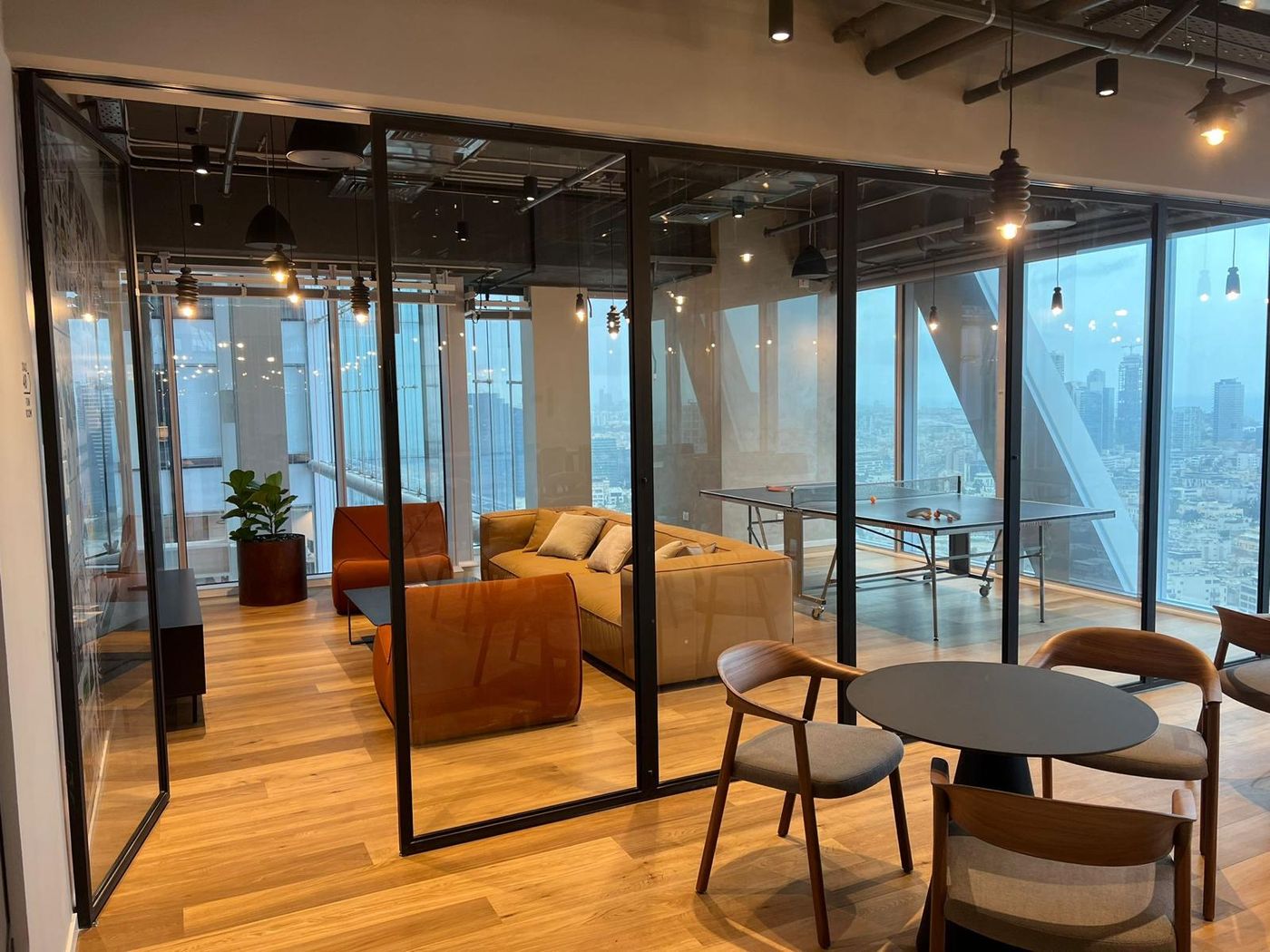
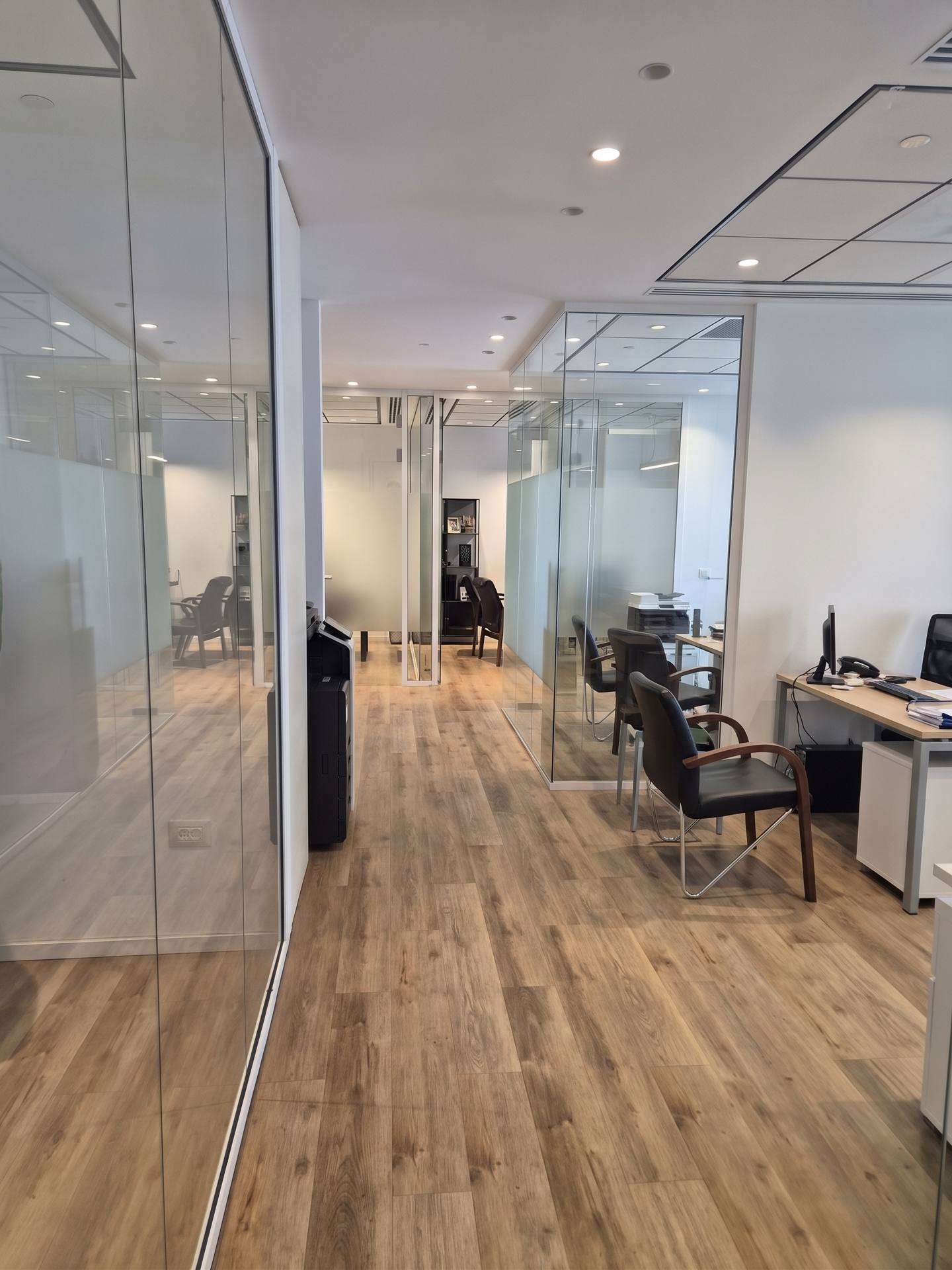
- Glass partitions and special doors
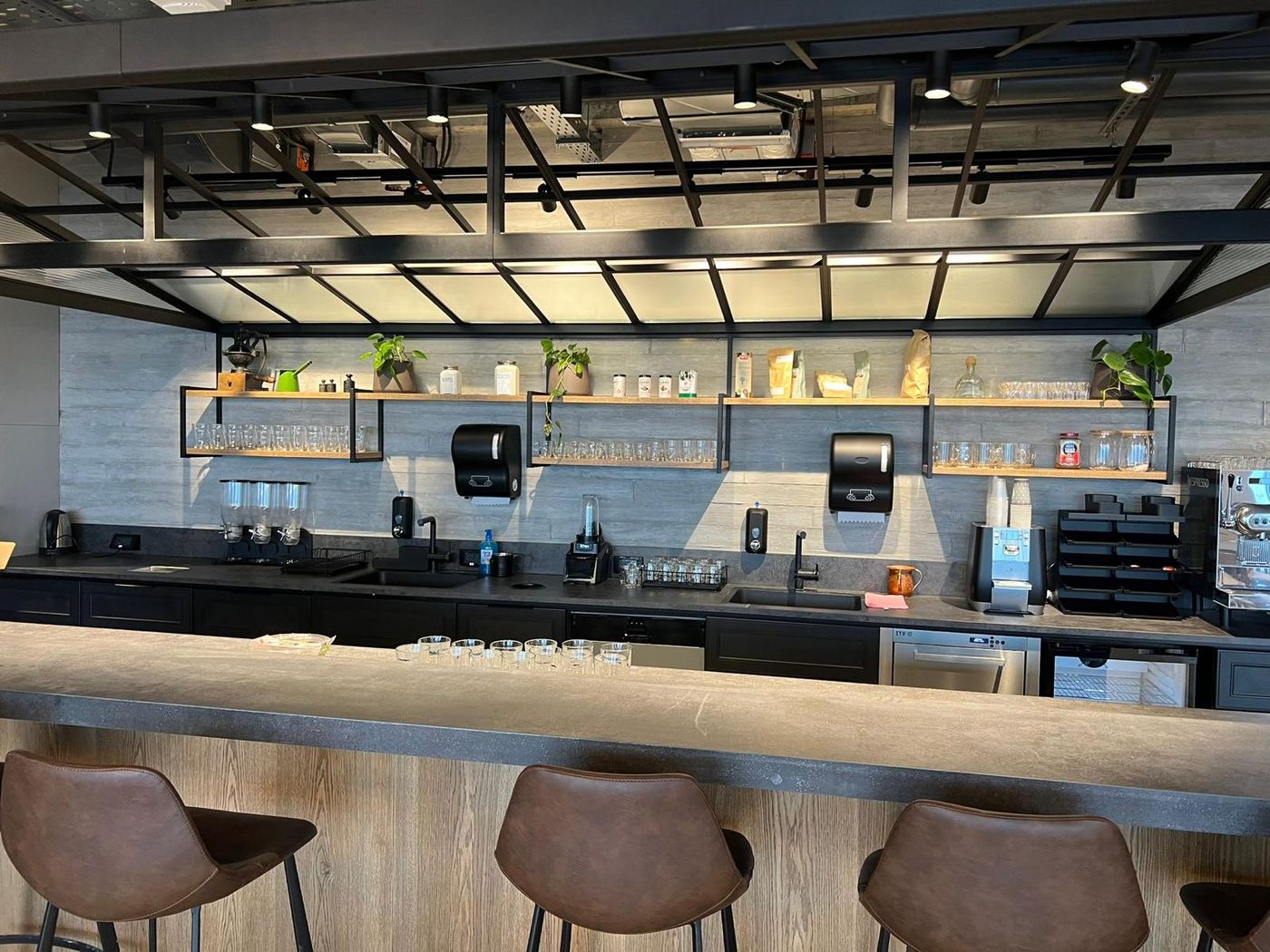
- Bespoke joinery: kitchenettes, cupboards, reception desks
- Electrical distribution boards
- Special light fittings
- Imported flooring or cladding
Each such item has a chain: design, submittal for approval, designer approval, manufacture, delivery and installation. If approval is delayed by two weeks, delivery is delayed by two weeks, and installation with it.
How to build a programme that works
- Start from the end: the move-in date, and before it handover, systems testing and cleaning.
- Map long-lead items early: already at design stage, with manufacturing times from suppliers.
- Put approvals into the programme: submittals, designer responses, samples. This is real time that tends to be forgotten.
- Set interim milestones: ceilings closed, partitions complete, HVAC commissioned.
- Update every week: a programme that isn't updated stops being relevant within a month.
What to do when there is a delay
First check whether the activity is on the critical path. If not, there may be nothing to do. If it is, look at alternatives: resequencing the work, working in shifts, ordering from another supplier or a temporary solution. It is important to record the cause of the delay, because it affects the question of responsibility and cost.
FAQ
What software is used to build a programme?
MS Project and similar tools are suitable for building a critical path. The tool matters less than regular updating.
Who is responsible for the programme?
The main contractor submits a construction programme, and the client-side project manager reviews it, tracks it and flags deviations.